Scientists use DNA from three individuals to prevent rare disease in newborns
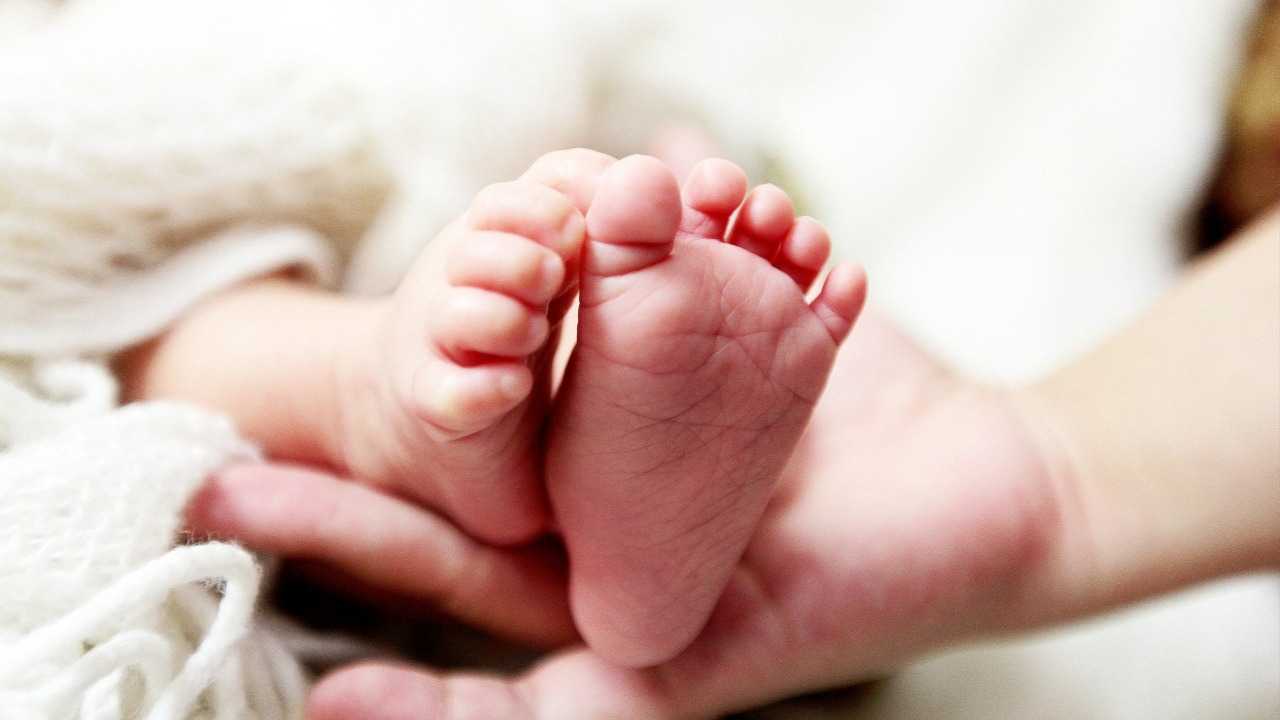
British scientists have successfully used a groundbreaking IVF technique that combines DNA from three people to prevent rare mitochondrial diseases, resulting in the birth of eight healthy babies. The children — four girls and four boys, including one set of twins — were born following a treatment aimed at stopping mothers with harmful mitochondrial DNA mutations from passing them on,according to The Washington Post.
The research, led by Newcastle University, marks the first detailed study of a full group of babies born through this method. It is considered a milestone in reproductive medicine and provides new insight into the health outcomes of this approach. Scientists say the findings open the door to refining the technique and expanding its safe use.
Mitochondria are often called the “powerhouses of the cell” because they generate the energy needed for organs like the brain, heart, and muscles. When mitochondrial DNA — passed down only by the mother — carries mutations, it can lead to severe disease or even death. Around 1 in 5,000 babies are born globally each year with such mutations.
To address this, researchers used a method known as pronuclear transfer. It involves removing the nuclear DNA from an egg with faulty mitochondria and transferring it into a donor egg that has healthy mitochondria but has had its own nuclear DNA removed. This results in an embryo with nuclear DNA from both biological parents and a small amount of mitochondrial DNA from a third person — the egg donor.
The eight children, now aged from newborn to over two years old, were found to be healthy and developing normally. Any traces of mitochondrial mutations were either undetectable or too low to cause disease. Even in the three babies who showed some mutations, levels were far below the threshold known to trigger health problems.
The United Kingdom is the only country where this IVF method is approved, and it is strictly regulated. So far, 35 patients have received permission since the treatment was legalized in 2015. The process is only available to families at high risk of passing on serious mitochondrial disease.
Scientists stressed that while the results are encouraging, long-term follow-up is essential. They also acknowledged ongoing ethical concerns around altering human DNA and the future of genetic modification.