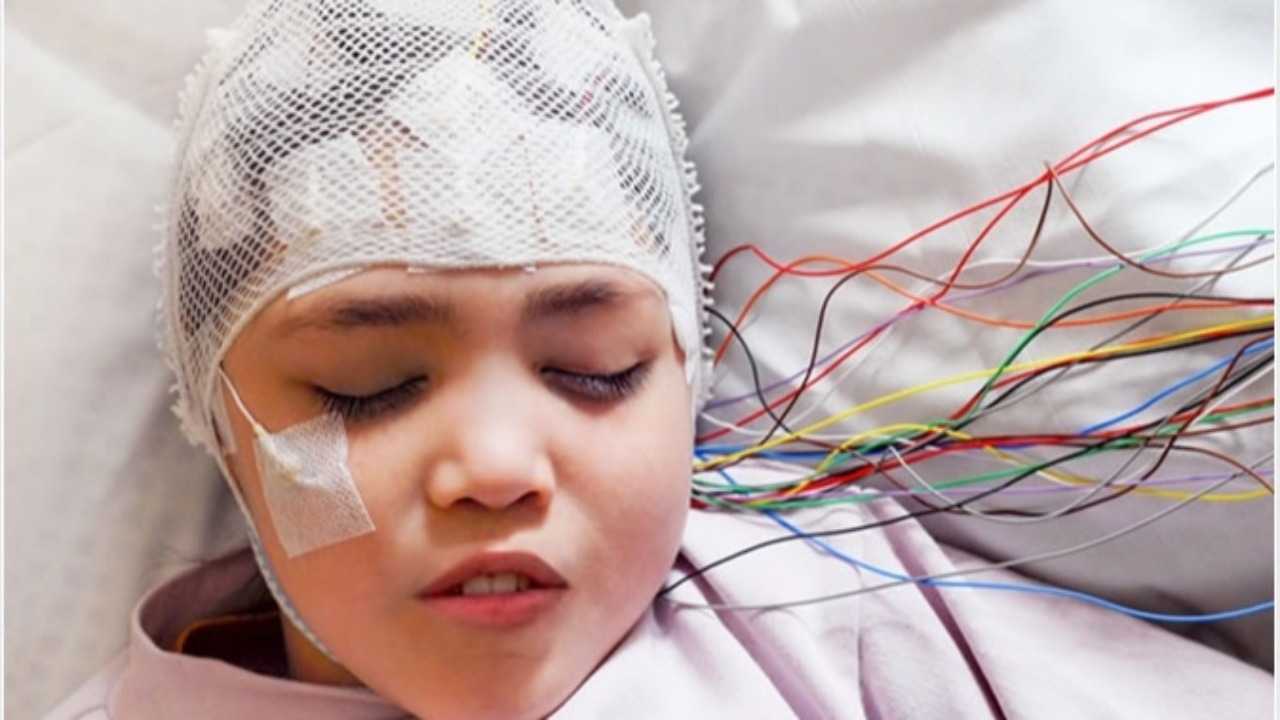
AI tool helps researchers treat child epilepsy
An artificial intelligence tool designed to detect small, often overlooked brain malformations in children with epilepsy could help speed up access to life-changing surgery, according to Australian researchers. This breakthrough is the latest example of how AI is transforming healthcare by assisting doctors in diagnoses.
Epilepsy, a neurological condition that causes recurrent seizures, can have various causes. In around 30% of cases, structural brain abnormalities are responsible. However, these abnormalities, particularly the smaller ones, are often missed on MRI scans, especially if they are located in hard-to-spot areas like the folds of the brain.
Emma Macdonald-Laurs, a pediatric neurologist at the Royal Children's Hospital in Melbourne, led a team that trained an AI tool to analyze brain images of children and identify lesions as small as a blueberry. According to Macdonald-Laurs, these small lesions are frequently overlooked, and many children are not considered candidates for surgery due to missed diagnoses. The AI tool does not replace radiologists or epilepsy specialists but acts as a "detective," helping doctors identify the hidden lesions more quickly and efficiently, enabling them to offer potentially life-changing surgery.
The study, published in the journal Epilepsia, found that 80% of children who participated in the research had previously received normal MRI results. When the AI tool analyzed both MRI and PET scans, its success rate was impressive—94% for one test group and 91% for another. In the first group of 17 children, 12 underwent surgery to remove the brain lesions, and 11 are now seizure-free.
The next step for the researchers is to test this AI tool in real-life hospital settings, using it to analyze new, undiagnosed patients. Epilepsy affects about one in 200 children, and approximately a third of those cases are drug-resistant. The ability to detect structural brain abnormalities earlier could be life-changing for these children, as many are currently denied surgical treatment due to missed lesions.
Konrad Wagstyl, a biomedical computing expert at King’s College London, praised the Australian research as a promising proof of concept. However, he pointed out some limitations, such as the cost and limited availability of PET scans compared to MRI, as well as the radiation exposure associated with PET scans, similar to CT scans and X-rays.