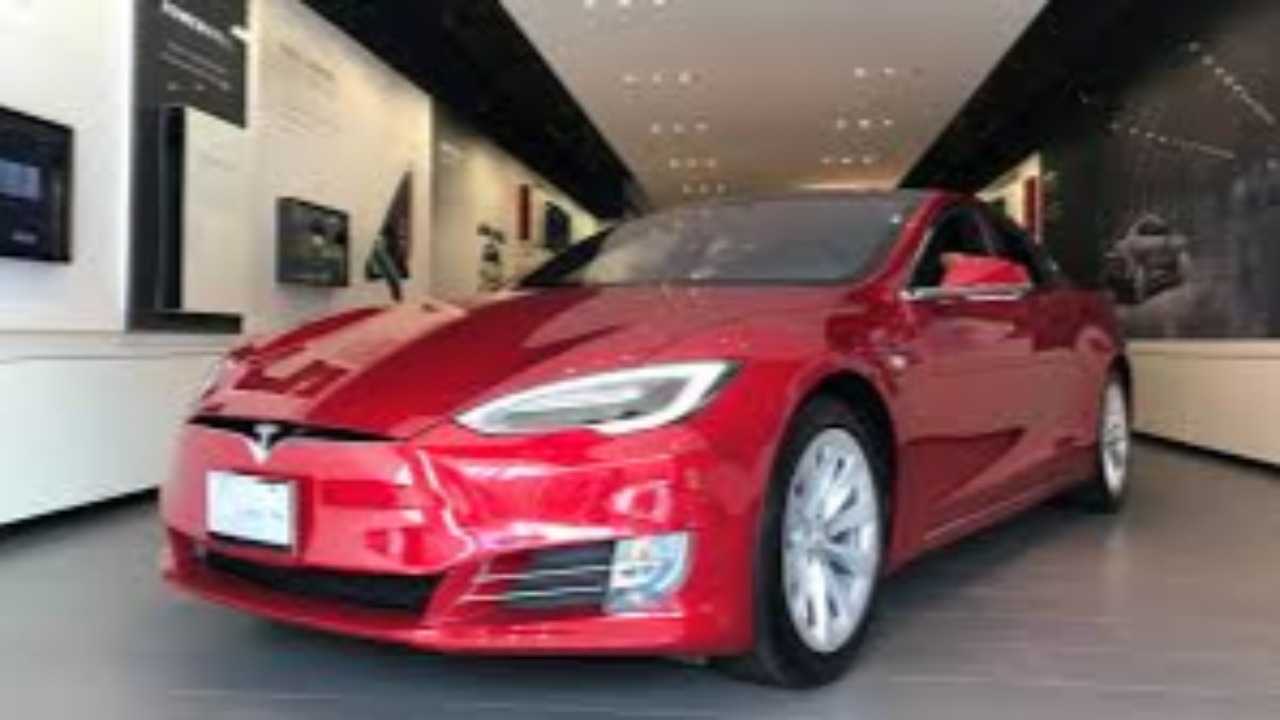
Tesla faces $243 million verdict over autopilot crash, threatening Robotaxi expansion
A recent court verdict against Tesla could significantly impact its plans to expand its robotaxi network and raise concerns about the safety of its autonomous vehicle technology. A Florida jury ordered Tesla to pay approximately $243 million to the victims of a fatal 2019 crash involving an Autopilot-equipped Model S, determining that the driver-assistance software was defective. Tesla maintains that the driver was solely at fault and plans to appeal the ruling.
This verdict follows ongoing federal investigations and recalls related to accidents involving Tesla's autonomous technology. As CEO Elon Musk aims for rapid regulatory approval to expand the robotaxi service across the U.S., the public's perception of this verdict may pressure regulators to impose stricter scrutiny before allowing such technologies to launch.
Legal experts warn that convincing state regulators of the road readiness of Tesla's technology could be challenging, potentially hindering Musk's goal of providing robotaxis to half the U.S. population by the end of the year. The expansion of the robotaxi service is crucial for Tesla, especially as competition increases and demand for its existing EV lineup has cooled.
Analysts suggest that success in the self-driving market hinges on winning the confidence of both regulators and consumers regarding Tesla's Full Self-Driving (FSD) software, which is integral to the robotaxi service. The recent verdict presents a significant hurdle for Tesla, as it raises questions about the safety of its technology.
Despite the challenges, analysts at Piper Sandler noted that the case might not directly impact the rollout of Tesla's FSD, citing advancements in the software since the incident in question. Tesla's spokesperson did not provide a comment in response to inquiries.
Perfecting autonomous vehicles has proven more complex than anticipated, with many companies facing obstacles, including high costs and regulatory hurdles. Musk has opted for a simpler approach, relying on cameras and AI rather than expensive sensors like lidar.
In June, Musk launched a limited robotaxi trial in Austin, Texas, featuring a small fleet of Model Y SUVs monitored by human safety operators. He has expressed a commitment to rapidly expand this service, which contrasts with the more cautious approach taken by competitors like Waymo.
Tesla is currently seeking regulatory approvals in several states, including California, Nevada, Arizona, and Florida. The California Department of Motor Vehicles did not comment on how the verdict might impact Tesla's approval process, while Nevada and Arizona are still evaluating Tesla's requests.
Historically, Tesla has either won or settled other Autopilot-related litigation, making this Florida verdict particularly notable. The case involved a Model S that crashed into parked vehicles while the driver was distracted by a dropped cellphone, leading the jury to find Tesla partially responsible despite the driver admitting fault.
Moving forward, regulatory approval for Tesla's robotaxi service may take longer than expected, as public perception and safety concerns continue to shape the landscape for autonomous vehicles.