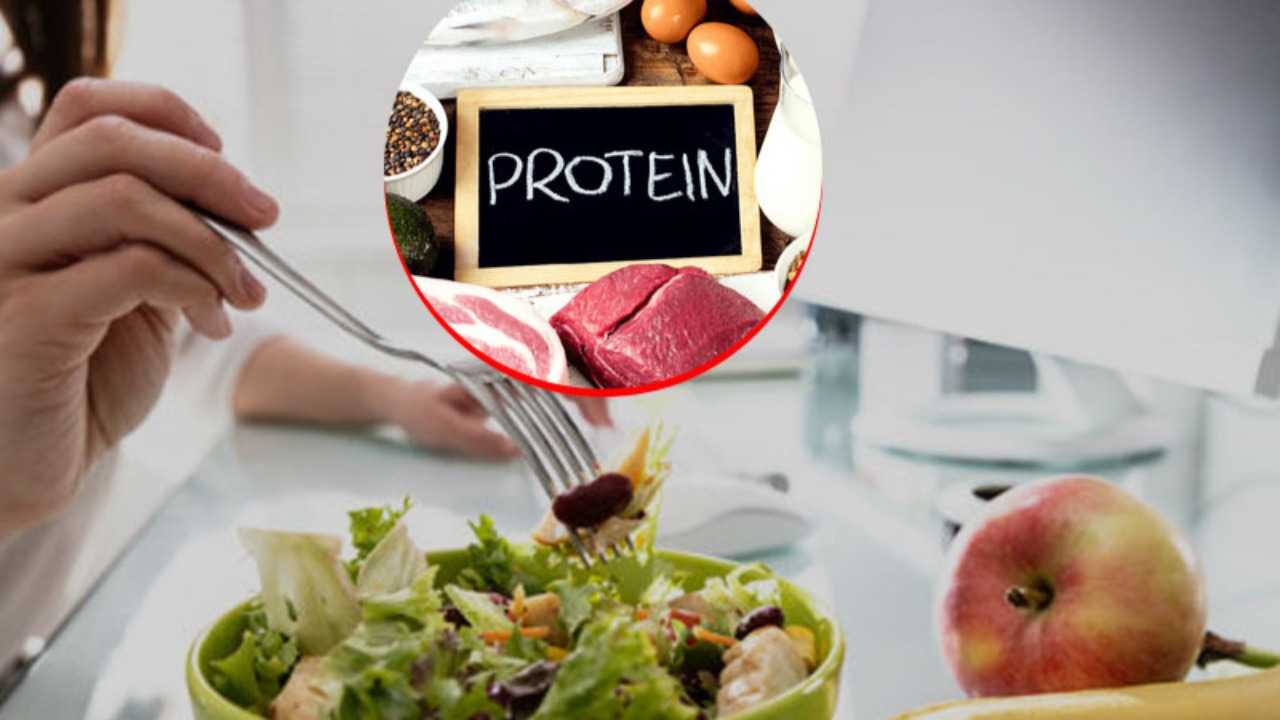
Boosting Women's Wellness: A Call for Higher Protein Diets
For women, eating enough protein isn’t just about building muscle — it’s a key foundation for long‑term health. As women age or go through hormonal changes (like perimenopause or menopause), sufficient protein becomes especially important to maintain muscle mass, bone strength, and metabolic health,according to The Times of India.
Experts point out that the commonly recommended amount — 0.8 grams of protein per kilogram of body weight per day — is really just a baseline to avoid deficiency. A growing body of research suggests many women benefit from aiming higher: about 1.0 to 1.2 grams / kg/day, and even up to 1.2–2.0 g/kg/day for women who are active or do regular strength training.
Studies show that older women who consume more protein — around or above 1.2 g/kg/day — tend to have more lean muscle mass, stronger bones, better physical strength (like grip and leg strength), lower body‑fat ratio, and better balance compared with those who stick to lower protein levels. That makes a noticeable difference for daily mobility, bone health, and overall quality of life as women age.
Protein also supports metabolism, helps regulate body composition, and aids in maintenance and repair of tissues — from muscles to skin to organs. For many women, boosting protein helps manage weight more easily, reduce hunger and cravings, and support stable energy levels.
So how can women realistically reach these protein goals? The article recommends:
Distributing protein intake evenly across meals rather than getting it all in one sit-down. Aiming for about 20–30 grams per main meal helps maximize muscle maintenance.
Including snacks or small meals rich in protein — things like eggs, yogurt, legumes, nuts, cottage cheese, or a mix of plant and animal proteins to ensure all essential amino acids.
Adding small “protein boosters” — seeds, nuts, pulses — to meals or snacks when main dishes don’t offer enough.
In short: for women at any age — but especially during mid‑life transitions — prioritizing protein intake supports stronger muscles and bones, better metabolism, healthier body composition, and overall better physical function. Even modest adjustments, like spreading protein over meals or adding protein‑rich snacks, can have a meaningful impact.