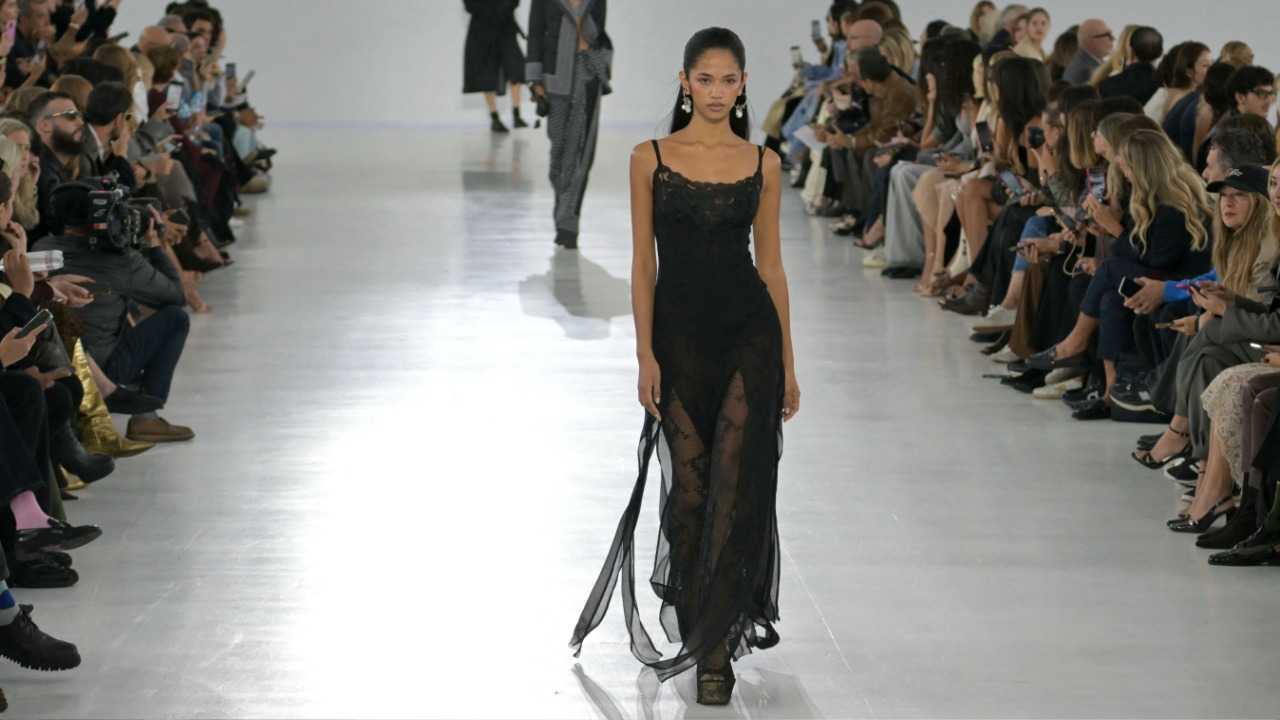
After Armani, Italian fashion houses are in flux
The first Milan Fashion Week without Giorgio Armani marks the close of an era for Italian luxury, as the fashion world faces a period of sweeping transition. Armani, who died this month at 91, fiercely defended his independence throughout his life but ultimately entrusted his heirs with the task of selling his group. His will reportedly names French giants L’Oreal and LVMH, as well as eyewear powerhouse EssilorLuxottica, as potential buyers. If no sale is reached, the company is to be listed on the stock exchange.
Armani’s passing follows other major shifts in Italian fashion. Donatella Versace stepped down earlier this year after three decades at the helm of Versace, shortly before its acquisition by Prada. Roberto Cavalli, famed for his glamorous, animal-print designs, passed away last year, though his brand has been owned by an Emirati conglomerate since 2019. These changes underscore what one Milanese fashion executive called “the last years of the first generation of Italian designers,” describing the moment as a major reshuffle.
Ownership structures are changing rapidly. In 2012, over three-quarters of Italian fashion companies with annual revenues above 50 million euros were still managed by their founding families. By 2022, that figure had fallen to just 57 percent, according to an Aub Observatory report.
French luxury groups have been the primary beneficiaries of this shift. Over the past three decades, Kering has acquired Gucci and Bottega Veneta, while LVMH has brought Fendi and Loro Piana under its umbrella. Foreign investors have also claimed Sergio Rossi (China’s Lanvin Group) and Golden Goose (a London private equity fund). A handful of iconic names like Dolce & Gabbana, Missoni, and Brunello Cucinelli remain independent but comparatively small. Prada, still led by 76-year-old Miuccia Prada, is aiming for six billion euros in combined revenue following its Versace deal — still far behind LVMH’s expected 84.7 billion euros in 2024.
Luxury expert Luca Solca notes that Italy never produced a single visionary capable of consolidating its fashion houses into a powerful conglomerate. Armani came closest but ultimately decided there was no suitable successor to run his empire.
Meanwhile, the luxury market itself is evolving. The slowdown in Chinese spending is prompting consumers to seek more exclusive, artisanal experiences. Economist Bernardo Bertoldi argues that the future lies in catering to sophisticated clients who prefer niche craftsmanship over “luxury supermarkets.” Tod’s highlighted this trend by featuring artisans live-crafting handbags and shoes during its show.
Yet as houses rush to appoint new creative directors — at Gucci, Versace, Bottega Veneta, Chanel, and Dior — some worry about the cost to brand heritage. Max Mara designer Ian Griffiths, who spent 20 years learning the label’s sartorial codes before taking creative control, warned that today’s designers are under intense pressure to deliver instant results.
Milan Fashion Week concludes Monday, closing a season defined by reflection and reinvention.