Pilates: The Ultimate Workout for Strength, Flexibility, and Mind-Body Connection
Pilates has gained immense popularity as a low-impact yet highly effective workout that enhances strength, flexibility, and overall well-being. Whether you’re a beginner or an advanced fitness enthusiast, Pilates offers a structured approach to movement that benefits both body and mind.
What is Pilates?
Pilates is a form of exercise that focuses on controlled movements, breathwork, and core engagement. Developed by Joseph Pilates in the early 20th century, it was originally designed as a rehabilitation method for injured soldiers and dancers. Over the years, it has evolved into a widely practiced fitness discipline that improves posture, balance, and overall strength.
The Core Principles of Pilates
Pilates is built on six fundamental principles that help guide each movement:
1. Concentration – Focusing on precise movements to maximize effectiveness.
2. Control – Ensuring each exercise is performed with intention and proper form.
3. Centering – Engaging the core, or "powerhouse," which includes the abdominals, lower back, hips, and glutes.
4. Flow – Creating smooth and graceful transitions between movements.
5. Precision – Paying attention to alignment and execution for optimal results.
6. Breath – Using deep, controlled breathing to enhance movement and relaxation.
Benefits of Pilates
1. Strengthens Core Muscles
Pilates is renowned for its ability to develop a strong core, which is essential for posture, stability, and injury prevention. Unlike traditional ab workouts, Pilates engages deep core muscles, promoting strength from within.
2. Improves Flexibility
Through controlled stretching and lengthening movements, Pilates enhances flexibility and mobility, reducing the risk of stiffness and injury.
3. Enhances Posture and Alignment
Many people suffer from poor posture due to prolonged sitting and improper movement patterns. Pilates strengthens the muscles responsible for maintaining proper alignment, helping to reduce back and neck pain.
4. Increases Mind-Body Awareness
Pilates encourages mindfulness by emphasizing breath and movement coordination. This heightened awareness can reduce stress and improve overall mental clarity.
5. Low-Impact, Joint-Friendly Exercise
Unlike high-intensity workouts that put stress on joints, Pilates is gentle yet effective, making it an excellent choice for people of all fitness levels, including those recovering from injuries.
Mat vs. Reformer Pilates: What’s the Difference?
There are two main types of Pilates:
Mat Pilates – Uses body weight and minimal equipment (such as resistance bands or small weights) to perform exercises on a mat.
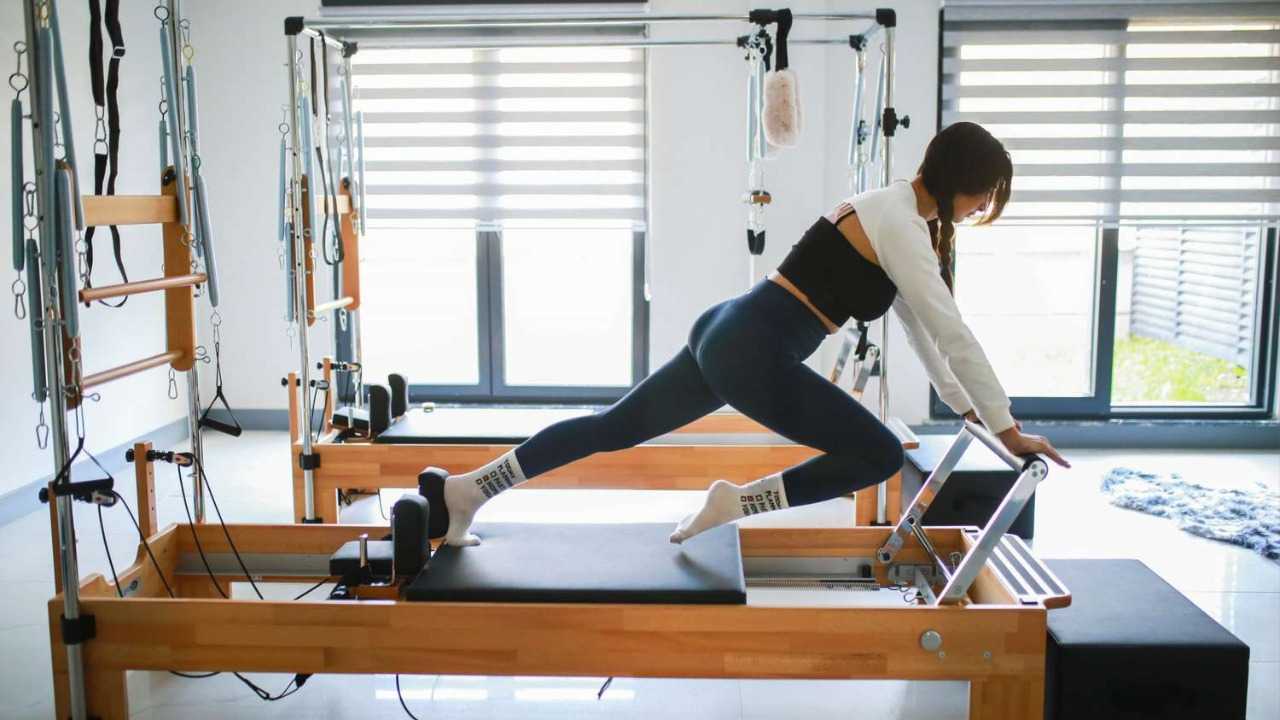
Reformer Pilates – Involves a specialized machine (the reformer) that provides resistance and support, allowing for a wider range of exercises.
Both forms are beneficial, but beginners may find mat Pilates more accessible, while reformer Pilates offers a more dynamic and resistance-based experience.
Who Can Benefit from Pilates?
Pilates is suitable for everyone, from athletes and dancers to seniors and individuals recovering from injuries. It can be modified to accommodate various fitness levels and physical conditions, making it an inclusive and adaptable workout.
Getting Started with Pilates
For those new to Pilates, starting with a beginner-friendly class or online tutorial can be helpful. Focusing on mastering basic movements before progressing to advanced exercises is recommended. Practicing Pilates consistently, about 2–3 times a week, can lead to improvements in strength, flexibility, and overall well-being.