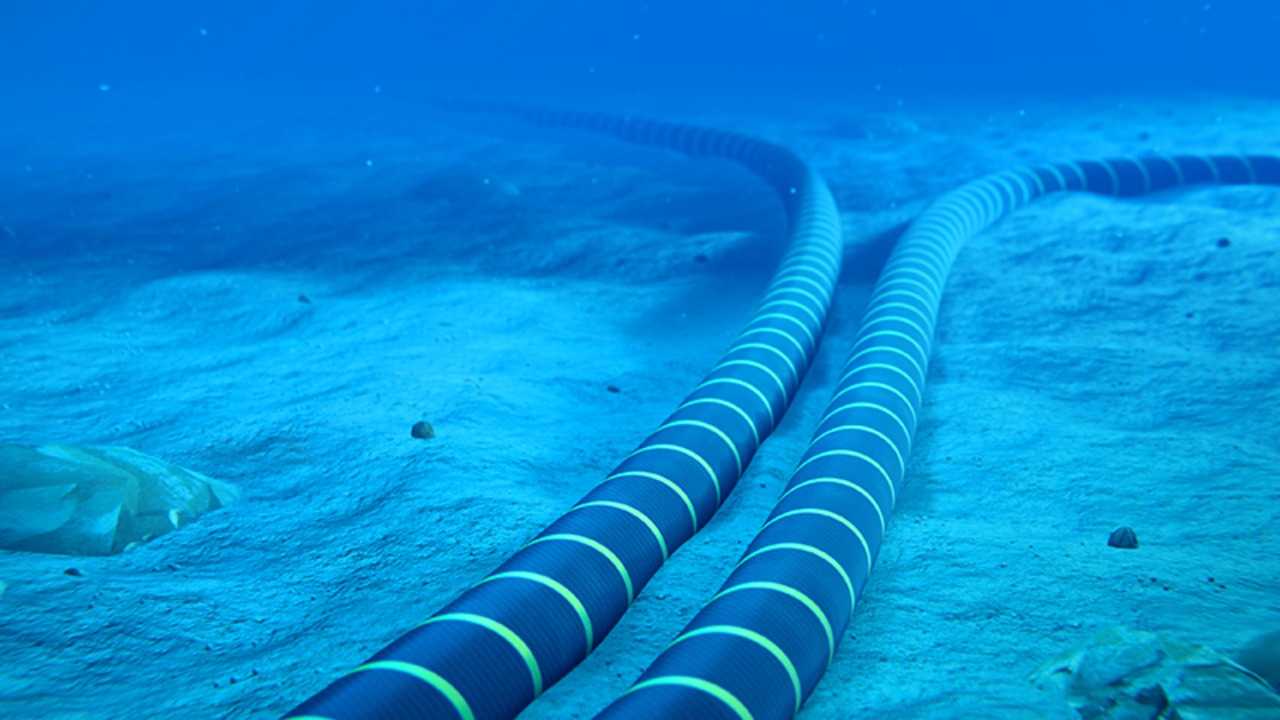
Meta unveils plans for Project Waterworth, a global sub-sea internet cable
Meta has unveiled plans for Project Waterworth, a massive sub-sea cable project that will span 50,000 km (31,000 miles) across the globe. Once completed, it will be the longest underwater cable project in the world, connecting the U.S., India, South Africa, Brazil, and other regions.
As the parent company of Facebook, Instagram, and WhatsApp, Meta is expanding its technological footprint beyond social media.
The new cable aims to deliver "industry-leading connectivity" across five major continents and will play a crucial role in supporting the company's artificial intelligence (AI) initiatives.
"This project will enable greater economic co-operation, facilitate digital inclusion, and open opportunities for technological development in these regions," Meta said in a blog post.
The cable will utilize a 24 fibre-pair system, making it the longest of its kind to date and providing significantly higher data capacity. As sub-sea cables are vital for powering digital services and enabling rapid data transfer globally, their importance continues to grow.
It's estimated that over 95% of the world's internet traffic is transmitted through these underwater cables. According to telecommunications market research firm TeleGeography, there are currently more than 600 publicly known sub-sea cable systems around the globe.
Among these is the 2Africa cable, which is also backed by Meta along with mobile network operators like Orange, Vodafone, and China Mobile. That project connects three continents and spans approximately 45,000 km, further emphasizing the critical role of sub-sea cables in global connectivity.
Tech's bigger stakeTech companies that provide major web services have significantly invested in cable infrastructure to enhance global connectivity.
Google announced plans to build the first sub-sea cable connecting Africa and Australia by 2024. Additionally, the company revealed a $1 billion investment aimed at improving connectivity to Japan through the installation of two new sub-sea cables in the Pacific Ocean.
"Over the past decade there has been a shift in which these cables are increasingly laid by large technology companies," Professor Vili Lehdonvirta of the Oxford Internet Institute told the BBC.
Henoted that the current trend of tech giants independently financing sub-sea cable projects contrasts with the past, when large groups of national telecom firms typically managed the investment.
This shift highlights the increasing capacity and influence of big tech companies to fund such infrastructure on their own, which could raise important considerations for policymakers concerned about market concentration in the digital landscape.
Telecom and technology industry analyst Paolo Pescatore emphasized that this development underscores Meta's ambitions to expand its technological footprint and enhance its global connectivity capabilities.
"Meta has shown a strong desire to own more of the connectivity slice," he told the BBC.
"This is a further demonstration as it seeks to leapfrog rivals in providing users with an unique experience by tightly integrating hardware, software, platform and its growing aspirations in connectivity," he added.