Greece's Last Craftsman of the Laterna: The Iconic Instrument of Street Musicians
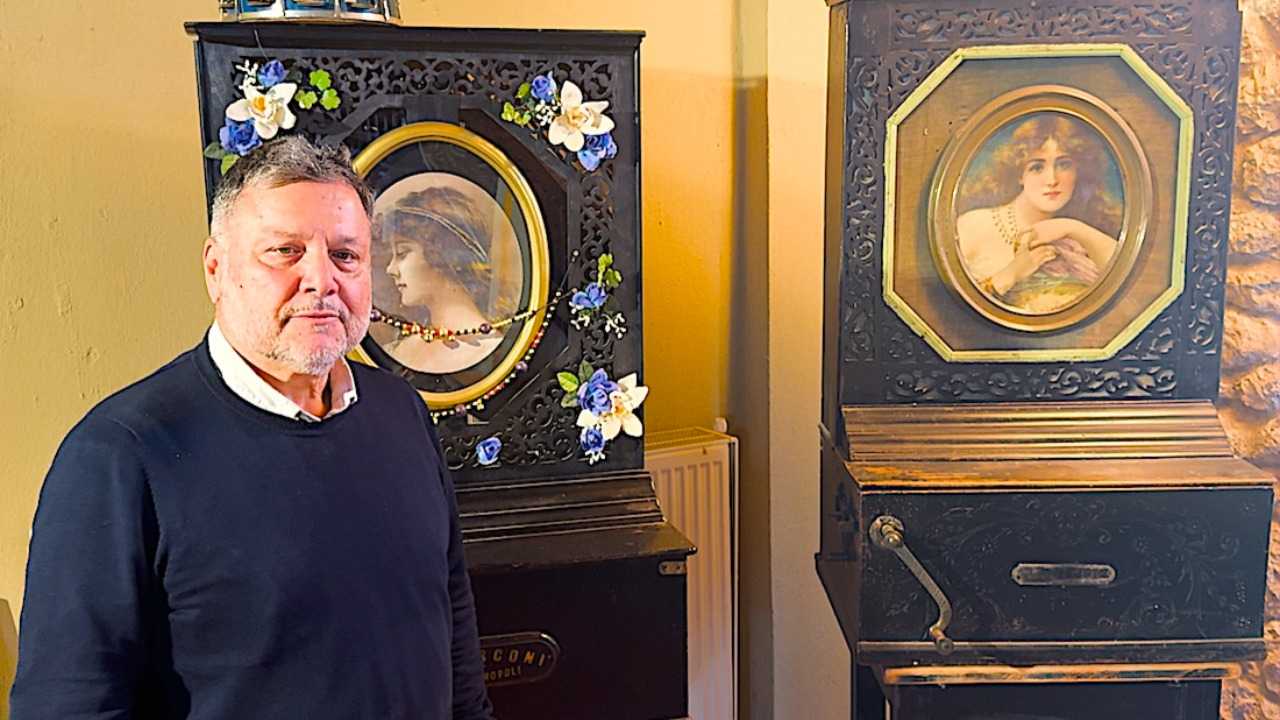
Panos Ioannidis, Greece's last remaining laterna (barrel organ) craftsman, works in a vast workshop near Thessaloniki. His passion for the laterna, once a staple of Greek street music, reflects a bygone era rich in musical tradition. While he mourns the instrument's glorious past, he dedicates himself to preserving its legacy by meticulously crafting each unit, according to The Greek Reporter.
“I’m doing this because I’ve always loved the sound,” Ioannidis shares with Greek Reporter. He believes music is essential for enriching lives and uniting various facets of the musical world. The laterna, originally invented in Europe in the late 18th or early 19th century, gained popularity in Greece after adaptations by Italian Giuseppe Turconi and Greek Armaos in Constantinople. By the 1830s, it became a common fixture in middle-class homes and was a primary source of entertainment long before radios and televisions emerged.
Ioannidis notes that the popularity of barrel organs faded in Greece during the 1920s. “Music was accessible to only a few,” he explains, emphasizing that only wealthy men could frequent cafes featuring live music. The laterna allowed everyday people, including women peeking from windows, to enjoy music as street musicians played.
The laterna operates by turning a crank, activating a cylinder adorned with metal pegs that pluck strings to produce melodies. Each instrument typically features nine short songs, and skilled craftsmen can link these tunes to create longer performances ideal for dancing.
As time passed, the cost of a laterna soared, making it less viable compared to the emerging radio and gramophone, which provided affordable access to music. “To listen to just nine songs would cost as much as a car today,” Ioannidis notes, highlighting the challenges in maintaining the instrument's popularity.
Recalling his journey, Ioannidis remembers the first time he encountered a laterna for repair, which led him to a decade-long learning process. He describes crafting a laterna as an “adventure,” requiring a blend of skills in mathematics, physics, carpentry, and composition.
He now spends around 800 hours, or six months, to create each instrument, producing just one per year to ensure quality. Despite feeling isolated as the last craftsman, his connections with clients worldwide, many of whom are descendants of Greeks, keep the spirit of the laterna alive, allowing him to share its unique sound and rich history.